
wet room screens
When it comes to industrial applications, gate valves are essential components designed to control the flow of fluids. Among the various types of gate valves, the soft seal gate valve and the hard seal gate valve are two distinct variations that serve specific purposes. Understanding their differences and applications can help engineers and decision-makers choose the right valve for their needs. Understanding Soft Seal Gate Valves A soft seal gate valve utilizes a flexible material, usually elastomeric, for its sealing surface. This design allows the valve to create a seal that effectively prevents leakage when closed. Soft seal gate valves are known for their ease of operation and maintenance, making them an attractive option in applications that require frequent valve actuation. The advantages of soft seal gate valves include: - Excellent Sealing Performance: The flexibility of the sealing material allows for tight sealing against fluid flow, reducing the risk of leakage. - Low Torque Operation: Soft seal designs often require less torque to open and close, facilitating smoother valve operation. - Cost-Effective: Generally, soft seal gate valves are more cost-effective to manufacture and purchase, making them a budget-friendly option for many projects. - Versatility: Suitable for various applications, including water, oil, and gas, where occasional throttling is acceptable. Exploring Hard Seal Gate Valves On the other hand, the hard seal gate valve features a rigid sealing surface typically made of metal or ceramic materials. This design provides enhanced durability and makes hard seal gate valves ideal for high-pressure and high-temperature applications. Key characteristics of hard seal gate valves include: - High Pressure and Temperature Resistance: The robust materials used can withstand severe conditions, making them suitable for challenging environments. - Longevity: Hard seal gate valves are built to last, reducing the frequency of replacements and contributing to lower maintenance costs in the long term. - Reduced Wear and Tear: The durable construction means they are less prone to damage from abrasive materials or extreme working conditions. - Suitable for Low Flow Applications: Hard seal gate valves excel in applications where fluid flow is minimal, requiring a reliable, leak-proof experience when fully closed. Choosing the Right Valve for Your Application When deciding between a soft seal gate valve and a hard seal gate valve, consider the specific requirements of your application: 1. Operating Conditions: If your application involves high-pressure or high-temperature fluids, the hard seal gate valve is likely the better option. Conversely, for standard conditions with infrequent use, a soft seal gate valve may suffice. 2. Frequency of Use: If the valve is intended for regular adjustments or maintenance, a soft seal design may offer improved ease of use. 3. Budget Considerations: Evaluate your project budget. Soft-seal gate valves are generally more affordable upfront, while hard-seal gate valves may yield savings over time due to their durability. 4. Fluid Type: Certain fluids may necessitate specific types of sealing materials. Ensure that the chosen valve material is compatible with the fluid to avoid degradation. In summary, both soft seal gate valves and hard seal gate valves possess unique features and advantages that cater to different industrial needs. Understanding their differences in terms of sealing mechanisms, operational characteristics, and applications is crucial for making an informed decision. By selecting the appropriate gate valve, you can enhance system functionality, ensure reliable fluid control, and optimize overall performance in your engineering applications.
about
wet room screens
Understanding the Starrett Bore Gauge Precision Measurement in Mechanical Engineering In the realm of mechanical engineering and manufacturing, precision is paramount. Whether it's part tolerances, assembly fits, or product dimensions, accurate measurement tools are essential. One such tool that stands out for its reliability and accuracy is the Starrett Bore Gauge. This specialized measuring device plays a critical role in assessing the internal dimensions of holes and cylindrical features, ensuring that parts are manufactured to exact specifications. In this article, we will explore the features, applications, and benefits of using the Starrett Bore Gauge. What is a Bore Gauge? A bore gauge is a precision instrument used to measure the internal diameter of holes or tubes. It can determine the size, shape, and form of the internal surfaces, which is crucial in many industrial applications. The Starrett Bore Gauge is designed to deliver accurate readings, even in hard-to-reach areas, making it an essential tool for machinists, quality control inspectors, and maintenance professionals. Key Features of the Starrett Bore Gauge 1. Accuracy and Precision Starrett is known for its commitment to precision engineering. The bore gauge is designed to provide accurate measurements, often within thousandths of an inch. This level of detail is indispensable when dealing with components that must fit together seamlessly. 2. User-Friendly Design The Starrett Bore Gauge typically features a simple yet robust design, making it easy to use. Many models come with a single or dual measuring rod, allowing for quick adjustments and readings. The ergonomic handle ensures a secure grip, which is particularly beneficial for prolonged use. 3. Multiple Range Options Starrett offers a variety of bore gauges that cater to different measurement ranges. This selection allows users to choose the right tool for their specific applications, ensuring that they can measure small or large bores with ease. 4. Durable Construction Starrett products are known for their durability, and the bore gauge is no exception. Made from high-quality materials, these gauges can withstand the rigors of workshop environments and are built to last, providing value over time. 5. Versatility One of the standout features of the Starrett Bore Gauge is its versatility. It can be used in a wide range of industries, from automotive and aerospace to manufacturing and maintenance. This broad applicability makes it a go-to instrument for many professionals. Applications of the Starrett Bore Gauge The versatility of the Starrett Bore Gauge allows it to be utilized in various applications, including starrett bore gauge - Quality Control In manufacturing, ensuring that parts meet dimensional specifications is critical. The bore gauge helps quality control inspectors verify that components adhere to tolerances, thus preventing issues during assembly and operation. - Machining Machinists often need to validate the internal diameters of the workpieces they create. Using a bore gauge, they can ensure that the diameters meet design specifications, thereby producing parts that function correctly. - Maintenance In machinery maintenance, assessing wear and tear is vital. Bore gauges assist technicians in measuring the internal dimensions of components, helping them determine whether repairs or replacements are necessary. Benefits of Using the Starrett Bore Gauge Adopting the Starrett Bore Gauge in your measurement toolkit offers numerous benefits 1. Improved Quality With precise measurements, manufacturers can produce higher quality parts, reducing the chances of defects and rework. 2. Efficiency The ease of use and speed of measurement allows operators to work efficiently, improving overall productivity. 3. Cost-Effectiveness While the initial investment in a quality bore gauge may seem significant, the long-term benefits of accuracy, durability, and reduced errors can lead to significant cost savings. 4. Enhanced Skill Development Using advanced tools like the Starrett Bore Gauge can help technicians and machinists refine their skills, fostering a culture of precision in their work. Conclusion In summary, the Starrett Bore Gauge represents a fusion of precision engineering and user-centric design. Its features, versatility, and application across various industries make it an indispensable tool for anyone involved in mechanical engineering and manufacturing. By investing in a Starrett Bore Gauge, professionals can ensure accuracy in their measurements, ultimately leading to better products and greater satisfaction in the workplace. The bore gauge not only reflects the quality of Starrett's craftsmanship but also exemplifies the importance of precision in the modern industrial landscape.
-

High quality industrial productsagement

High quality industrial products
View Details -

Meet the diverse needs of customers

Meet the diverse needs of customers
View Details -

Strict quality control

Strict quality control
View Details -

Top raw materials

Top raw materials
View Details -

Trusted supplier

Trusted supplier
View Details
Our application

news and information

Versatile Magnetic Vee Block for Precision Workholding and Machining Applications
The Magnetic Vee Block A Versatile Tool for Precision Alignment In the realm of manufacturing and ma
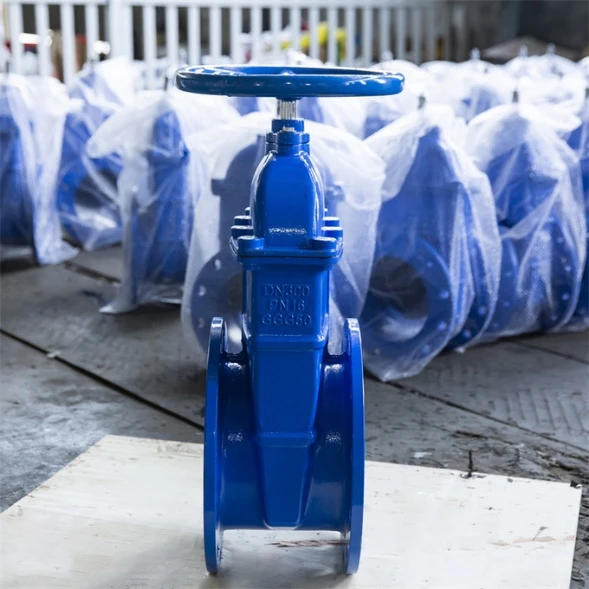
Válvula de gate de 400mm para sistemas de tubulação industriais e comerciais
400mm gate valve .

Válvula Globo de Alta Qualidade - Soluções Eficientes em Controle de Fluxo
Válvula de Globo de 2% Uma Solução Eficiente para Controle de Fluxo As válvulas de globo são compone
 English